Curtains Don’t Contain Infection: Why Isolation Rooms Need a Privacy Upgrade
The risks hospitals overlook—and the solution they can roll into place today
Curtains were never designed for infection control. Yet in many hospitals across the country, they remain the default barrier in patient isolation rooms—where privacy, safety, and compliance should be strongest.
As the standards for care evolve, hospitals are under pressure to rethink how they separate patients in high-risk settings. The old systems aren’t just outdated—they’re dangerous. And the solution doesn’t require construction. It just needs to roll in.
When a Curtain Isn’t Enough
Infection-control rooms are meant to protect everyone—from immunocompromised patients to hospital staff. But if the only separation in that space is a fabric curtain, the system is already vulnerable.
Here’s why curtains fail in isolation care:
- ❌ They trap bacteria and viruses in the fabric
- ❌ They’re slow to clean, requiring full laundering
- ❌ They don’t block sound or fully protect visual privacy
- ❌ They fray, tear, and make rooms feel outdated
Patients notice. Surveyors notice. And so do infection control officers.
What Real Isolation Care Looks Like
Isolation doesn’t mean just closing a door. It means minimizing exposure risk in every aspect of the environment—including how patients are visually and physically separated.
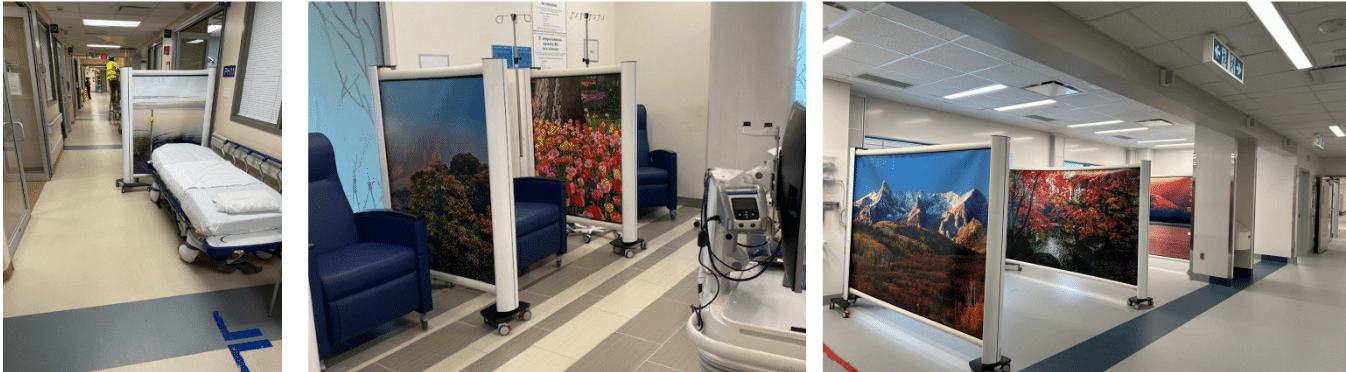
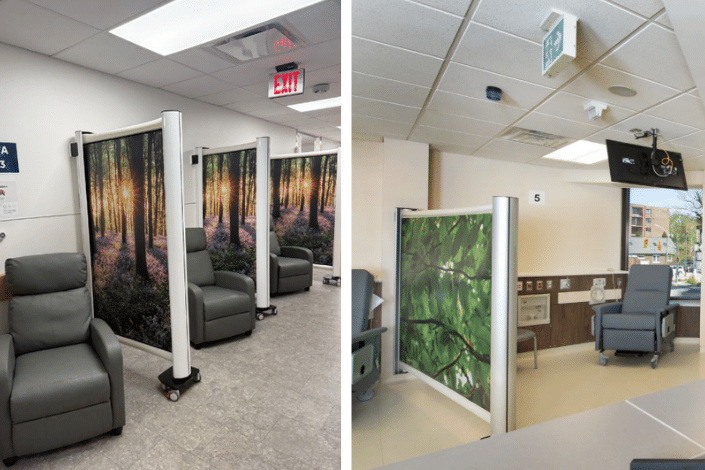
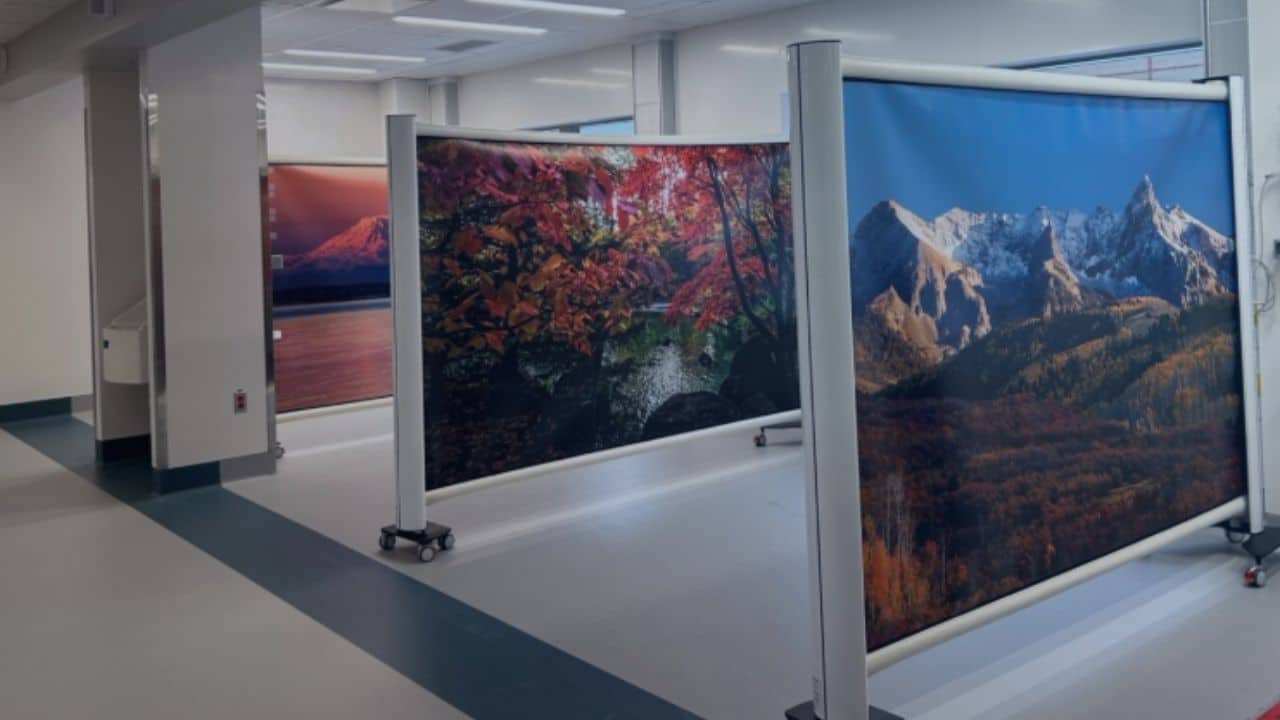
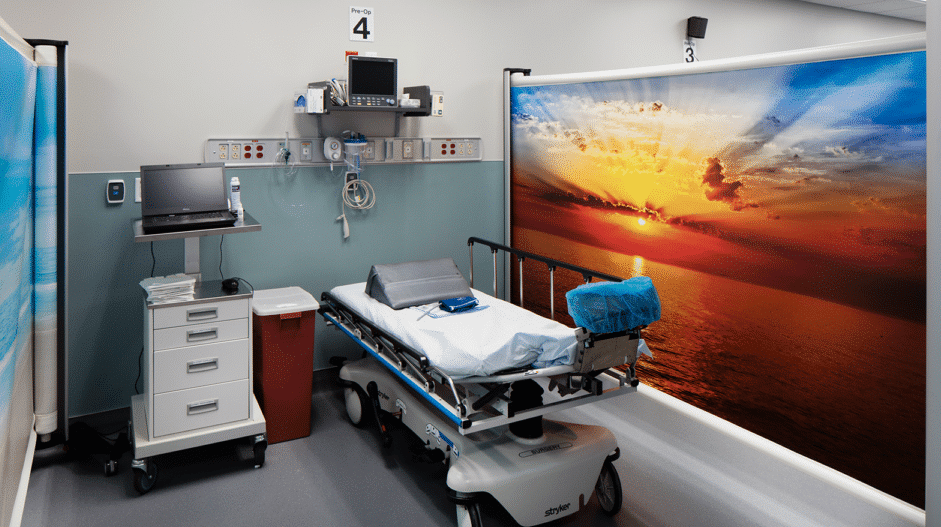
Rolascreen mobile privacy screens are designed specifically for settings where quick deployment and high-level hygiene are critical. Hospitals use them to create temporary or enhanced isolation zones with zero construction.
Here’s what they offer:
- Non-porous, easily disinfected panels
- No fabric, no laundering, no contamination
- Rapid deployment in any room or hallway
- Durable frames that outlast makeshift solutions
- Mobile use across departments—wherever surge needs arise
They don’t just look better. They help hospitals work smarter and safer.
Why It Matters Now
Between respiratory surges, seasonal outbreaks, and regulatory audits, hospitals are under more scrutiny than ever. One negative patient review, one failed infection control spot check—these are the moments that affect reputation and reimbursement.
Adding a physical, compliant barrier in isolation spaces is no longer optional. It’s a competitive and clinical necessity.
A Smarter Step Toward Safer Spaces
Hospital leaders are often stuck between doing nothing and doing a major renovation. Rolascreen offers a third option: a visible upgrade that supports infection control, protects patient dignity, and adapts to changing needs.
Whether you’re preparing for flu season, responding to CDC recommendations, or simply trying to improve patient experience in shared care areas, it starts with replacing the curtain.
Explore the Solution → Isolation Room Privacy Screens for Hospitals
Frequently Asked Questions
Q: Do Rolascreen dividers meet infection control standards?
A: Yes. They’re built with non-porous surfaces that can be disinfected with standard hospital cleaners in seconds.
Q: Can these screens replace the need for isolation curtains?
A: Absolutely. They create visual and physical separation without the infection risks associated with fabric curtains.
Q: Are they hard to move or set up?
A: Not at all. Rolascreen units are mobile, fully self-supporting, and require no installation.
Q: Do they support Joint Commission compliance?
A: Yes. They help meet privacy, layout, and environmental separation expectations during audits.